Not quite Pinky Violence, but Toei anyway
Caught something rare in Laputa Asagaya’s
Yukio Noda retrospective...
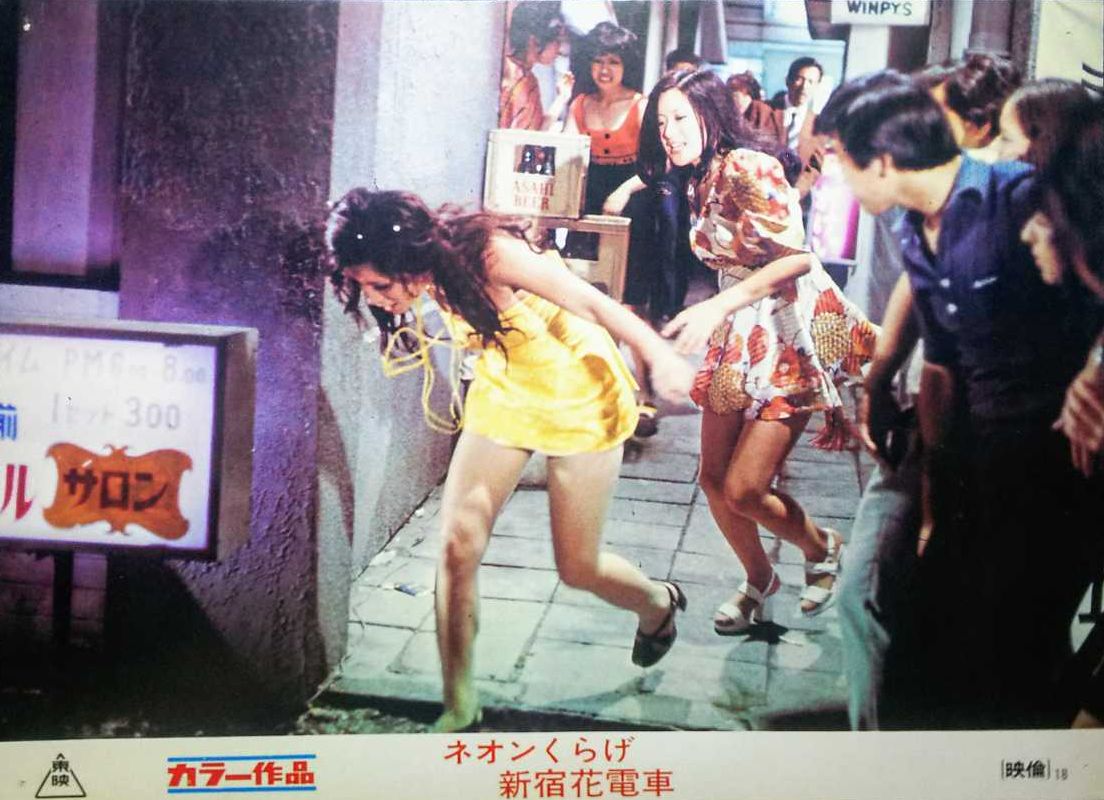
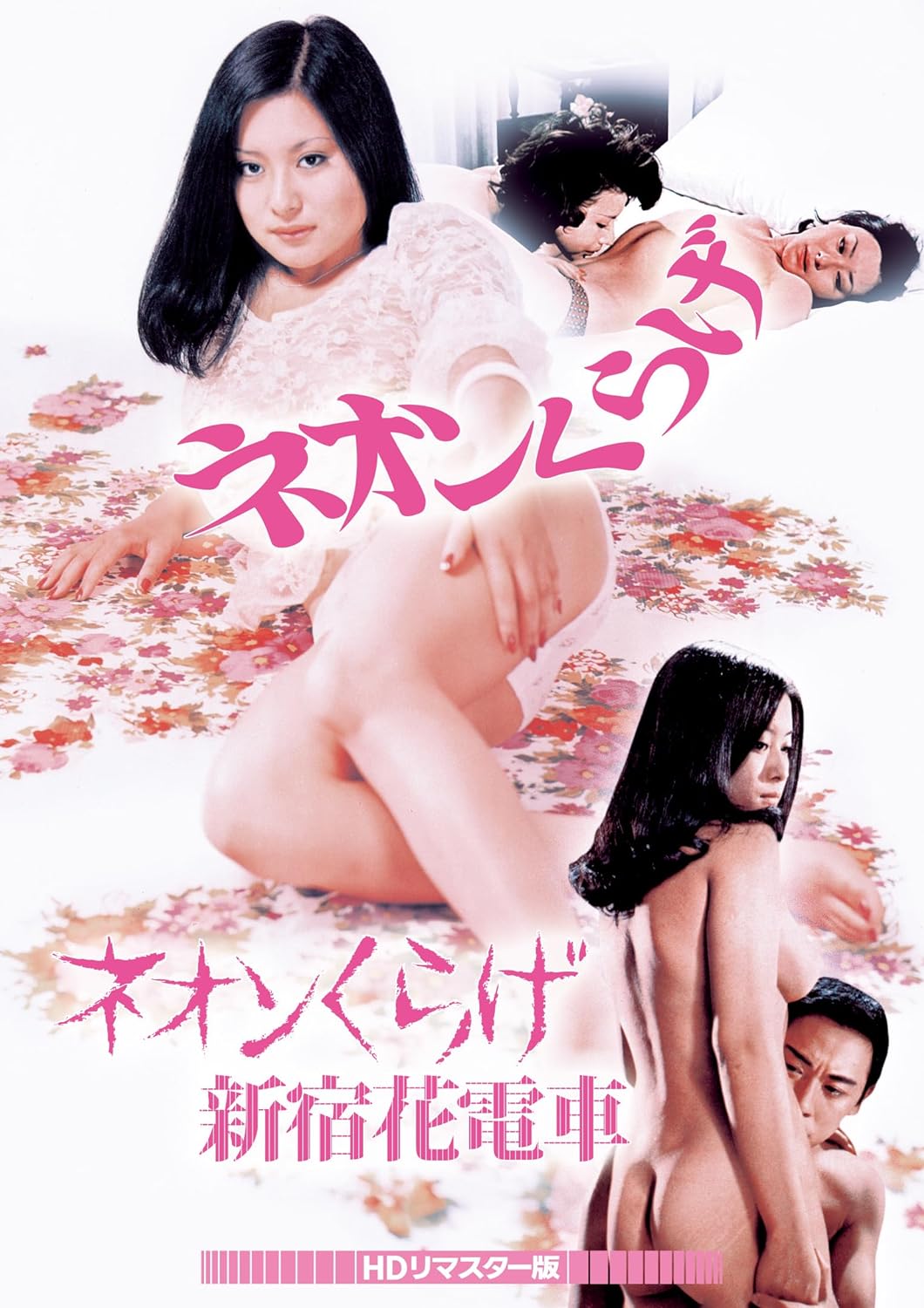
Seishun toruko nikki: Shojo suberi (青春トルコ日記 処女すべり) (1975)
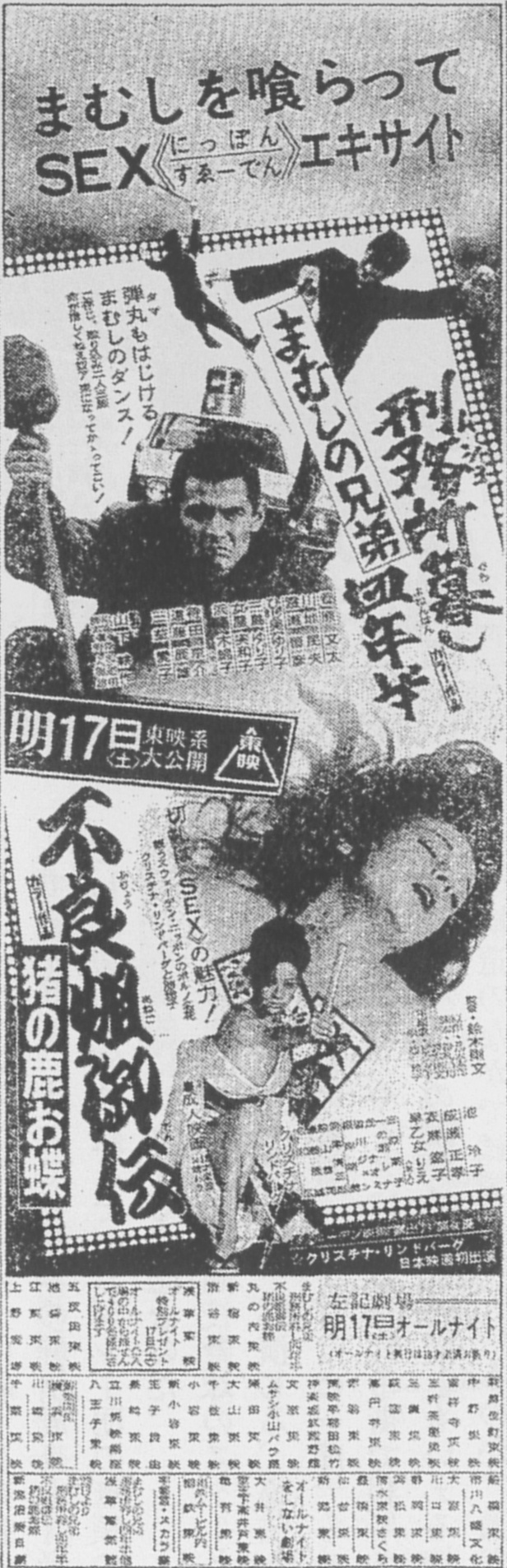
This is a movie that will probably never be released on video or aired on TV. The reason being the lead actress Reika Yamakawa was underage at the time of filming in 1973. The film was originally set for release in 1973, but after Toei’s advertising campaign proved a little too successful for its own good (Yamakawa stripping naked on late night TV, combined with Toei’s ad slogan
“the youngest eros star ever” for the still uncompleted film sparked complaints about whether it’s morally okay to feature a 16 year old actress in an 18 rated film) lead to the production being halted when filming was 80% done. Toei then waited two years till Yamakawa was 18 and released the movie in 1975 with the exact same ad slogan (seemingly in a triple bill with Ken Takakura and Sonny Chiba films). Some creative re-editing was reportedly needed, as filming had never been completed.
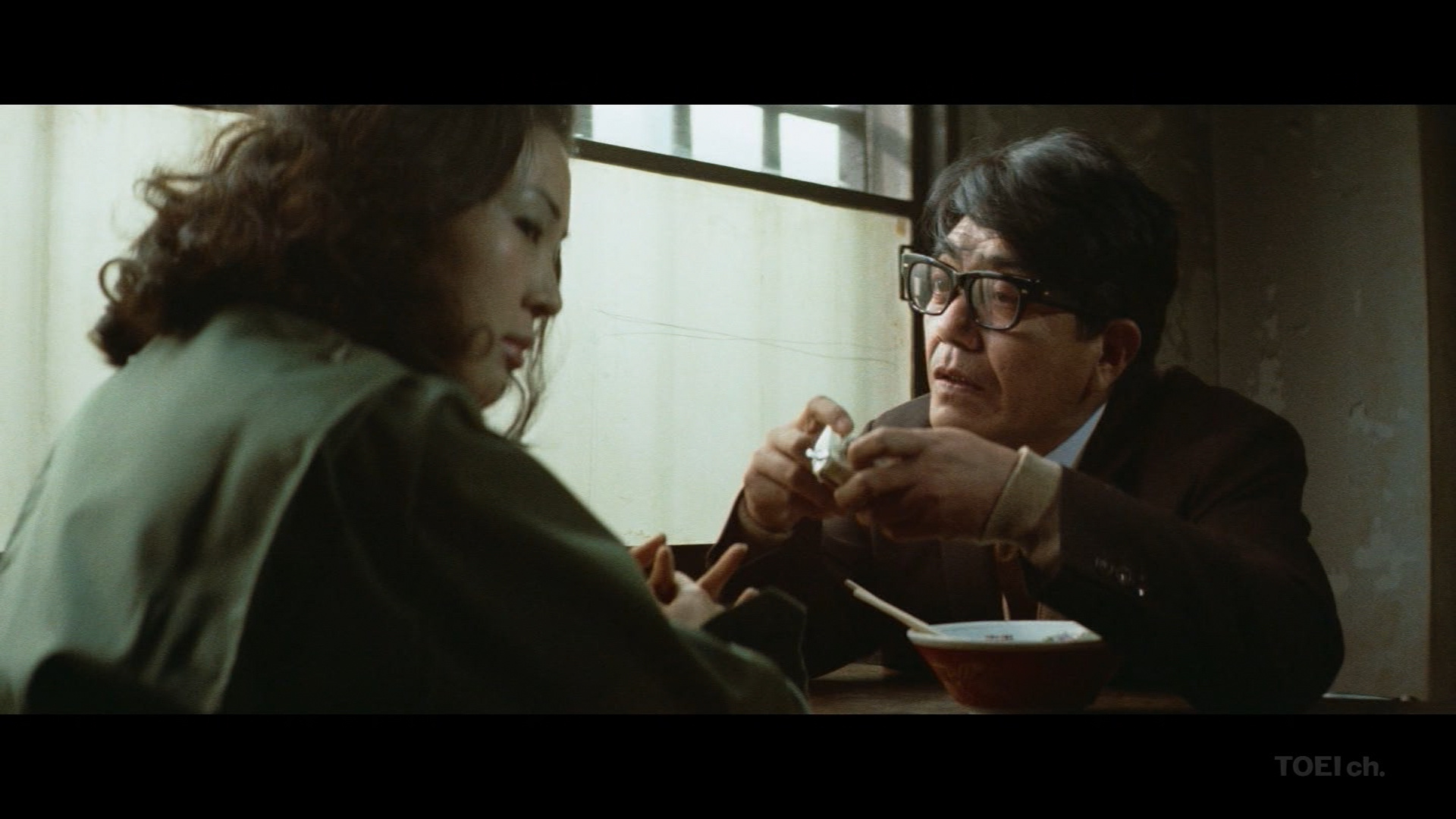
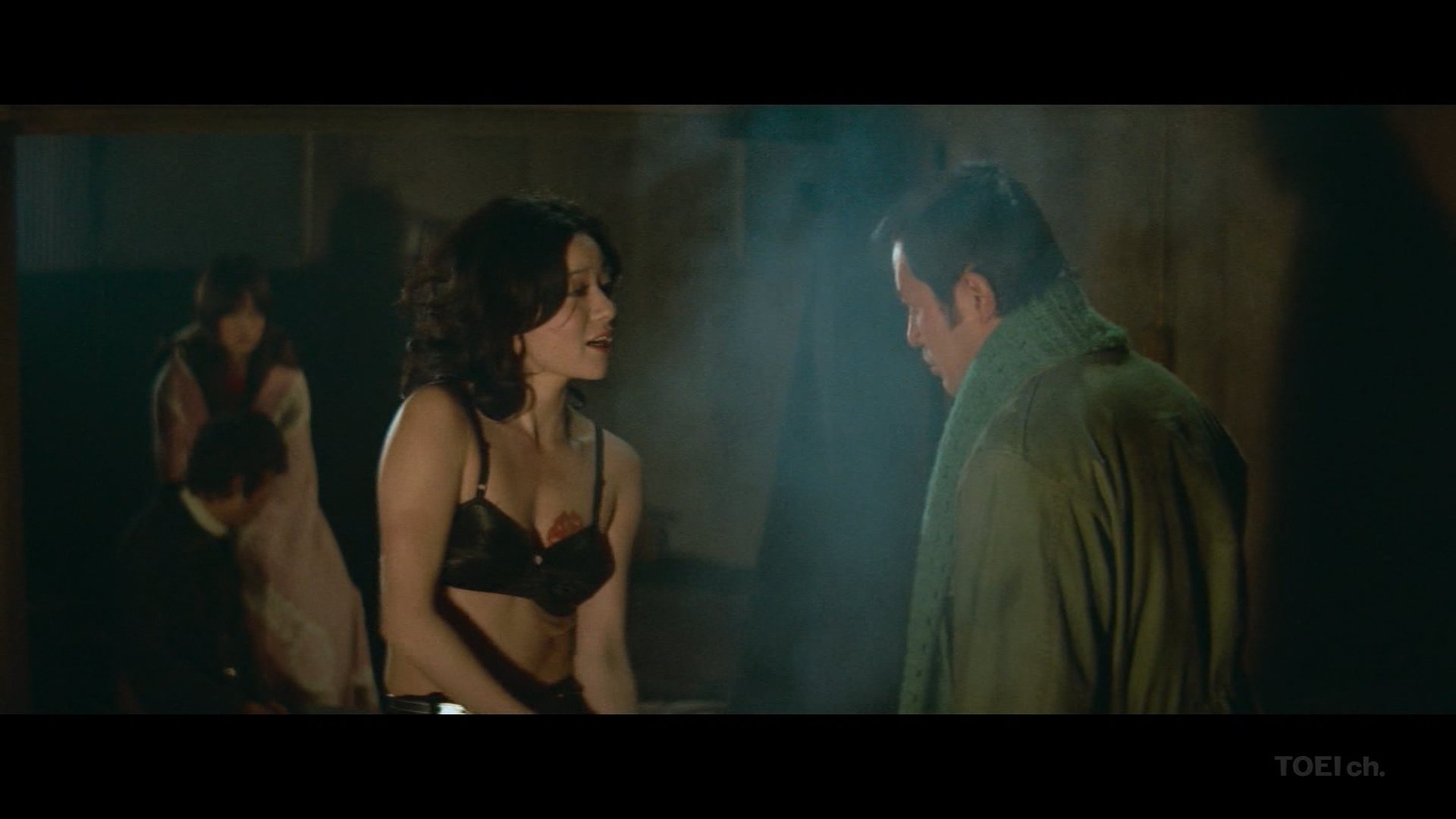
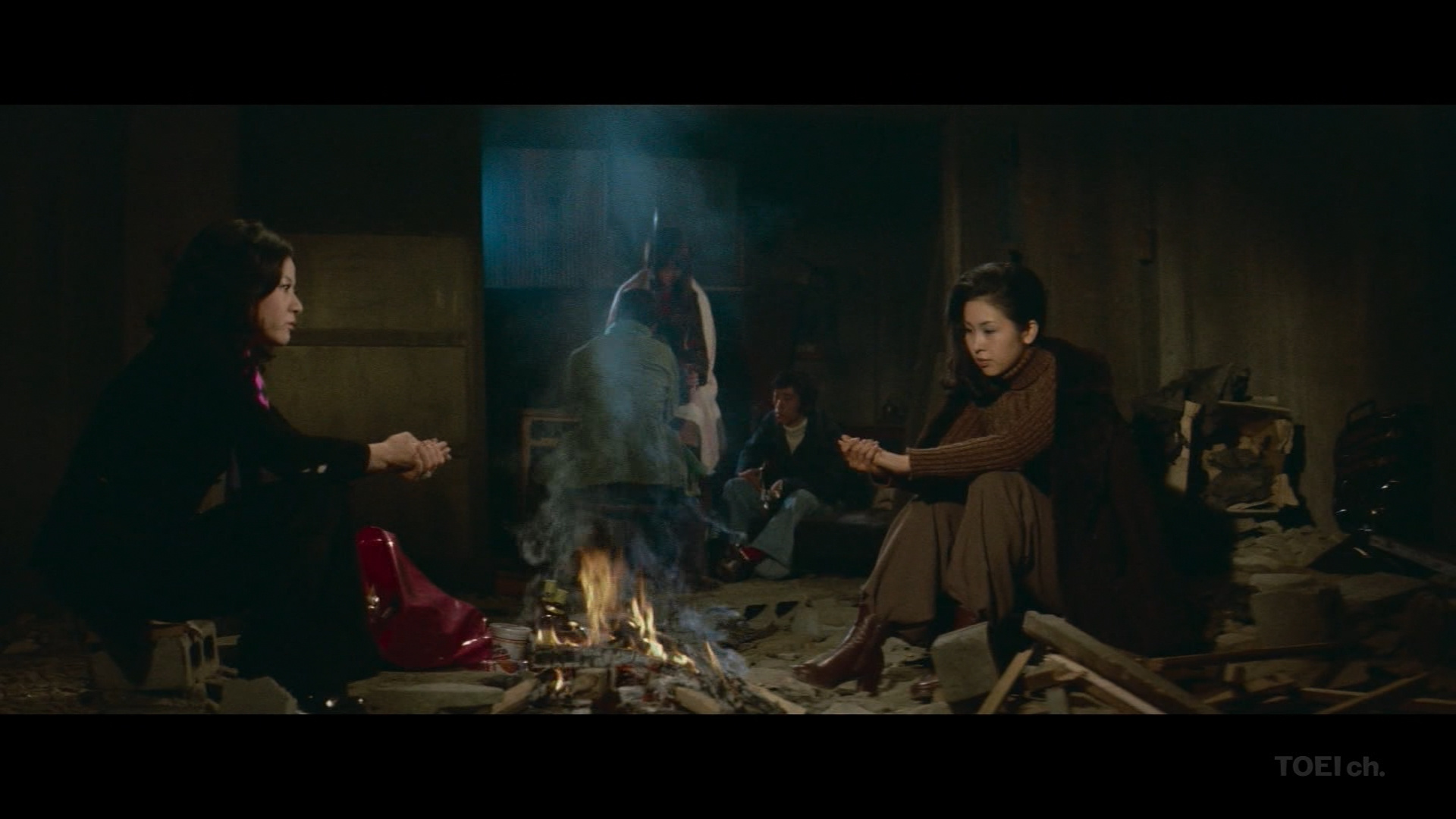
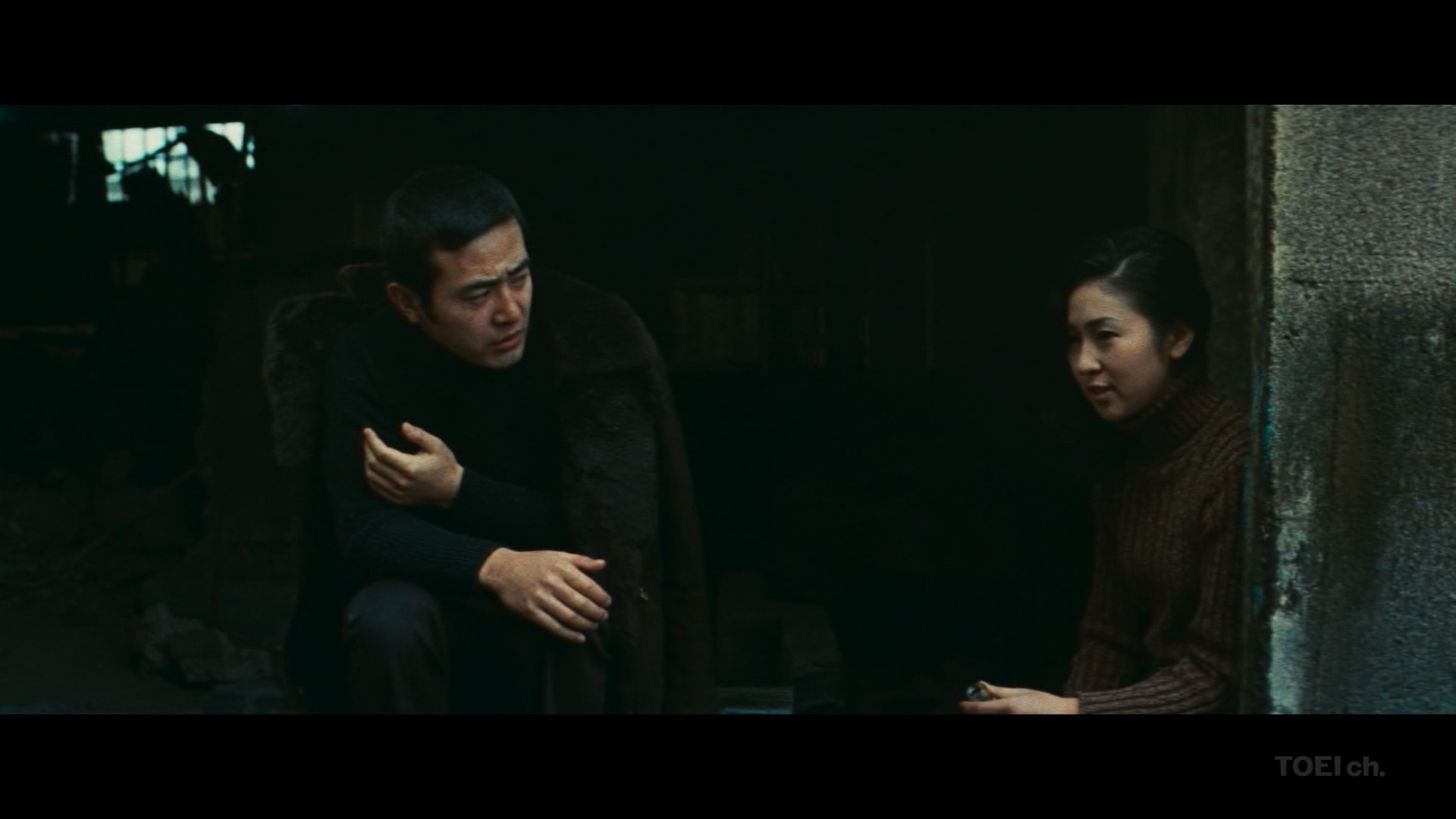
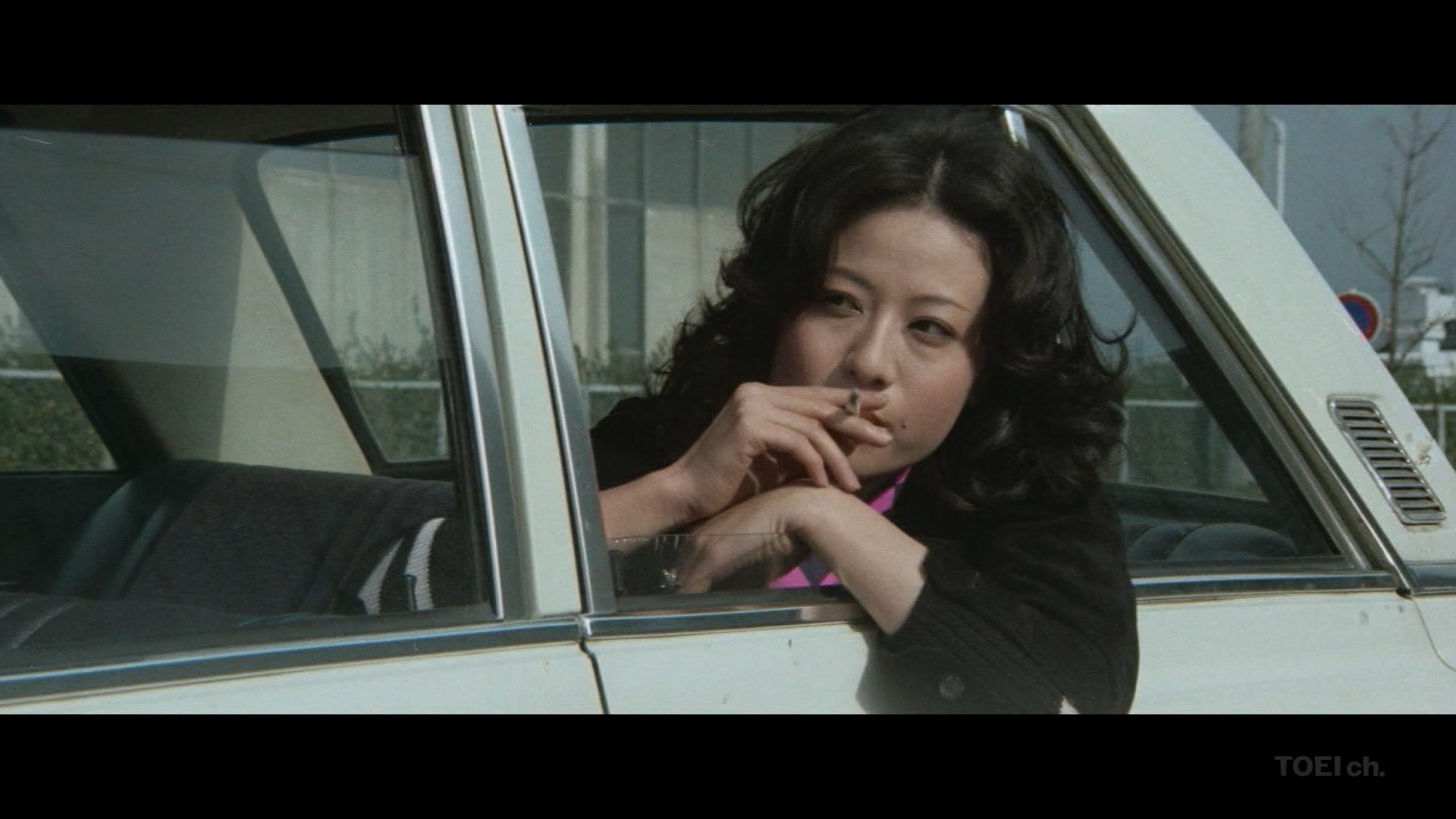
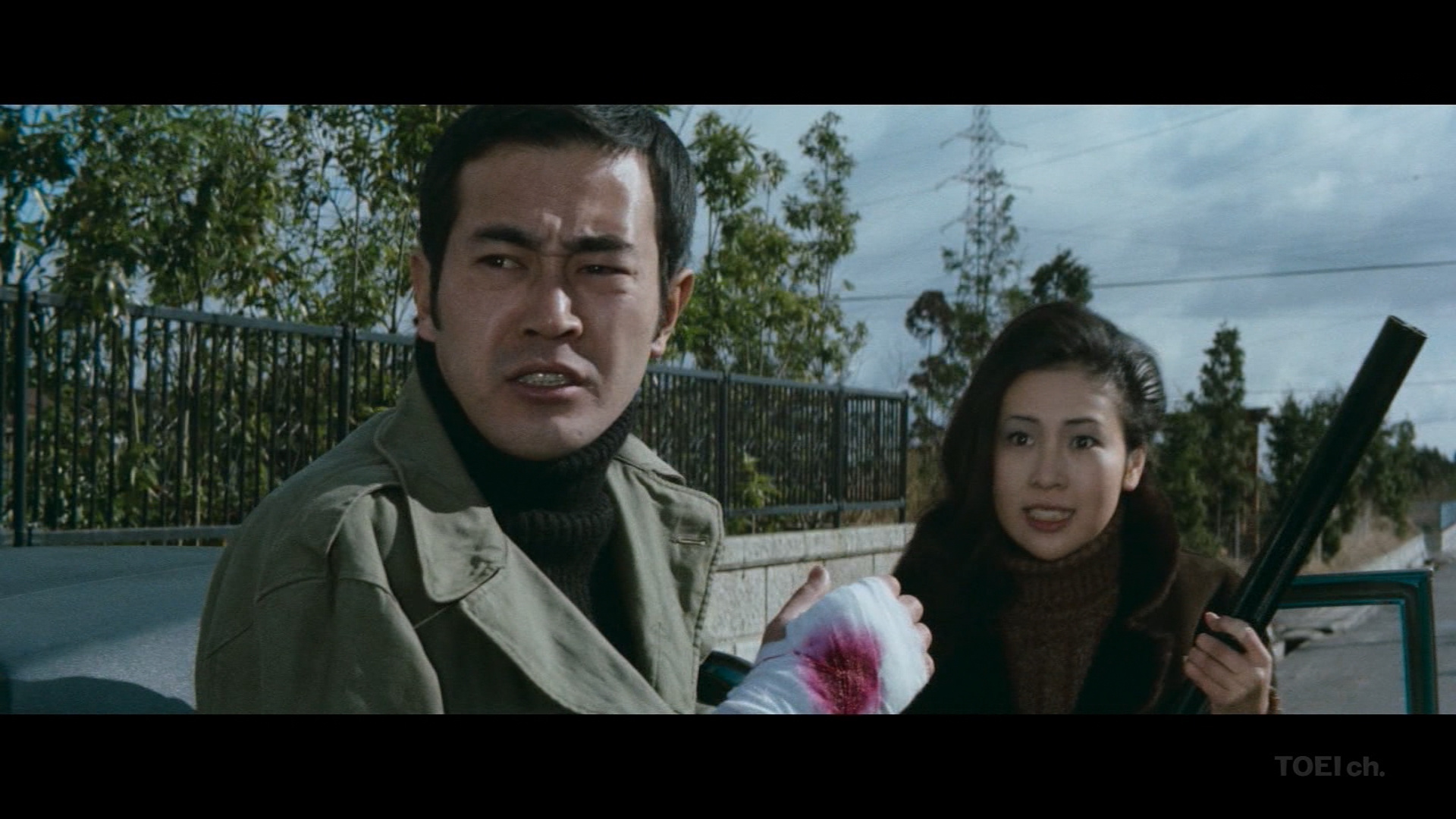
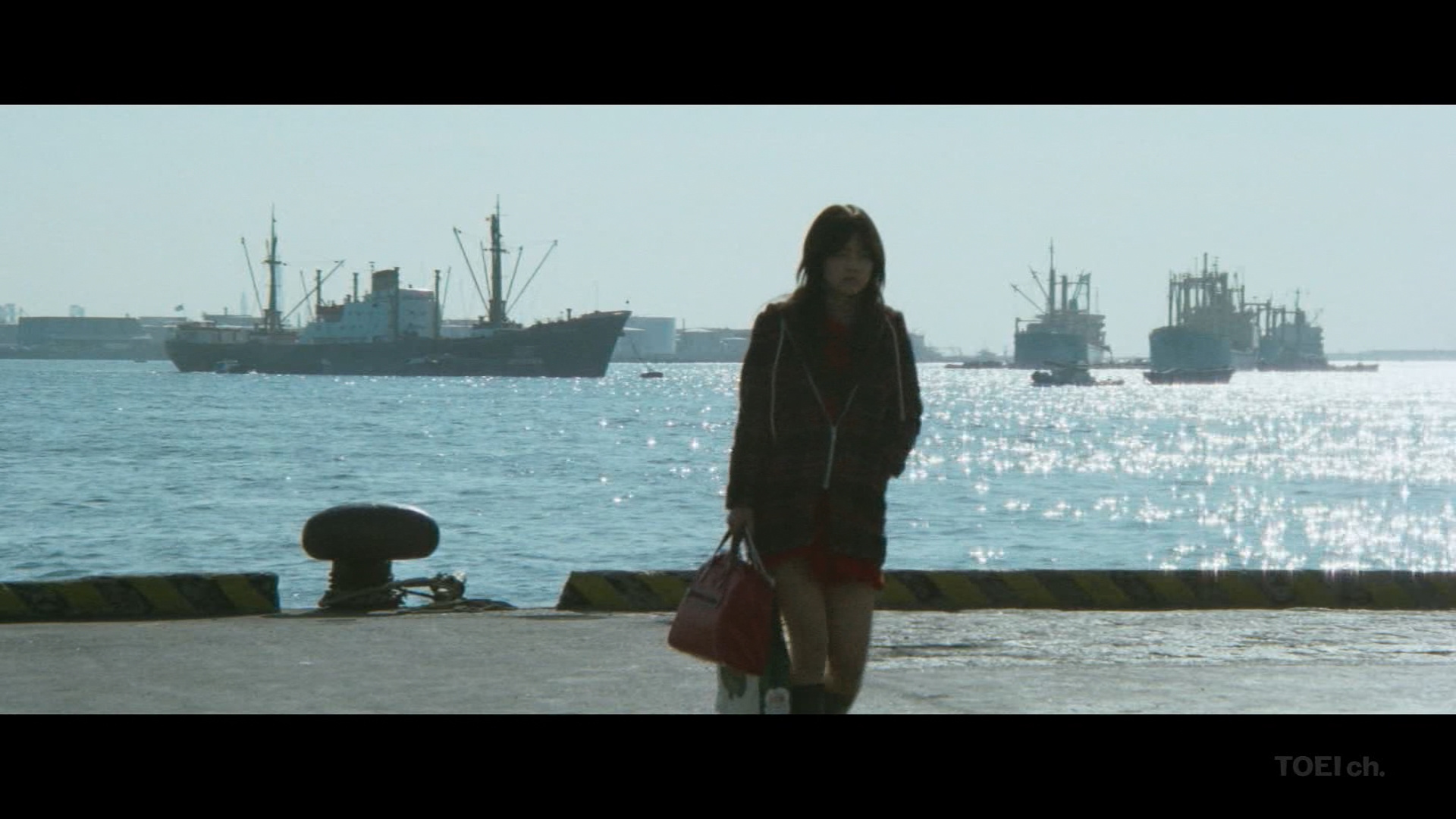
The controversy is really a quite shame, as what we have here is a rather exceptional coming of age tale that turns into a bloody Scarface gangster tragedy by its end. This is easily one of Noda’s most inspired films. The first 25 minutes is incredible: a breezy musical ballad narrated with various pop / folk songs by Taiji Nakamura and Mimi Araki, depicting the main character’s path from a small village to Tokyo, intercut with gritty documentary footage of the Vietnam War, violent student protest, and Yukio Mishima’s attempted coup d'etat. It effectively foreshadows the film, which opens bright and comedic, but ends up a gripping tale of mad obsession and dead fathers. Yamakawa stars as a naïve countryside girl Hanako, who goes from factory worker to hostess and eventually Turkish Bath employee once she learns women in the latter business earn in one day what hostesses make in 10 days. A string of comedic sex scenes follows, by the end of which she secures a sugar daddy (Taiji Tonoyama) to lend her money open her own business.
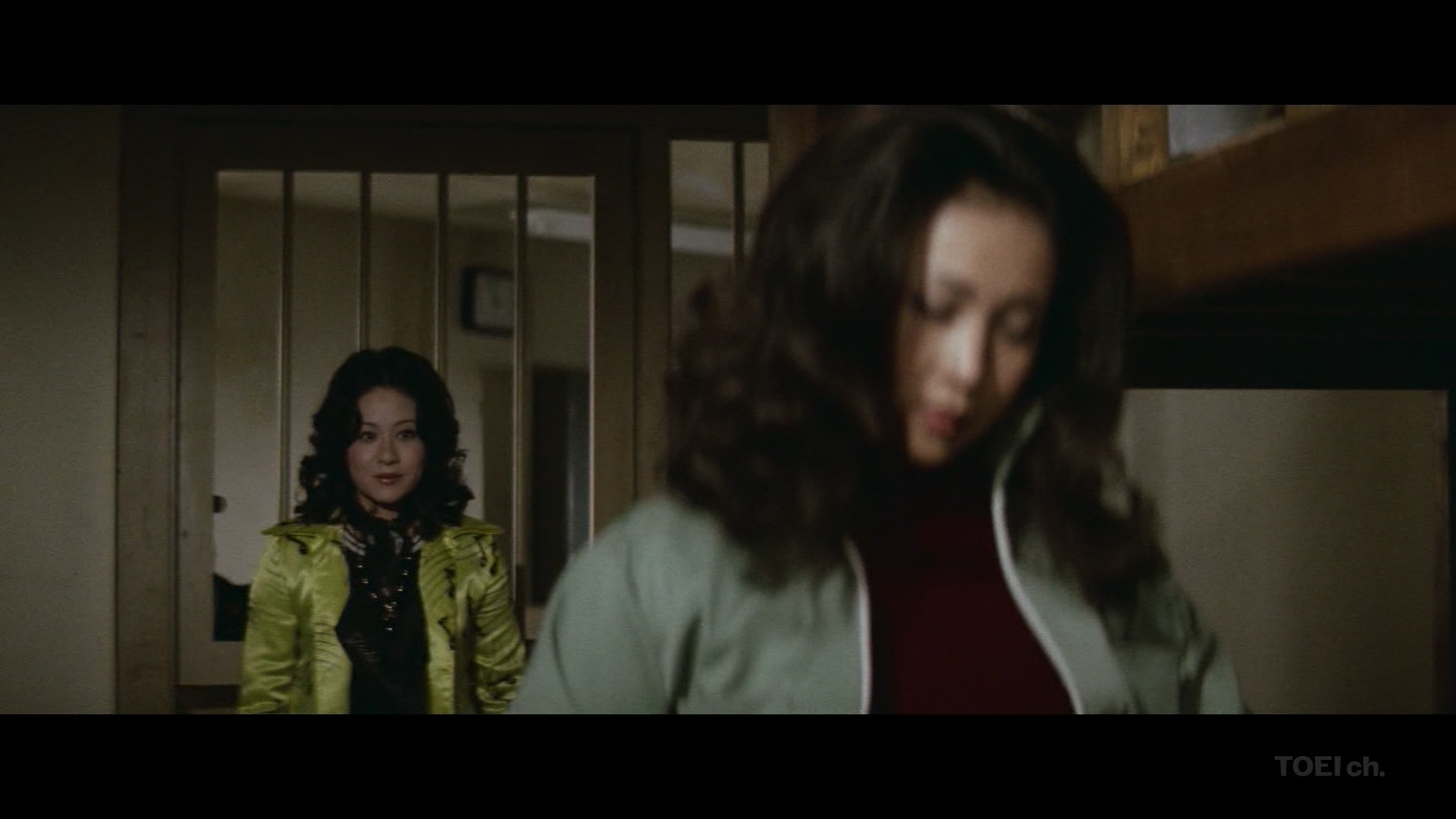
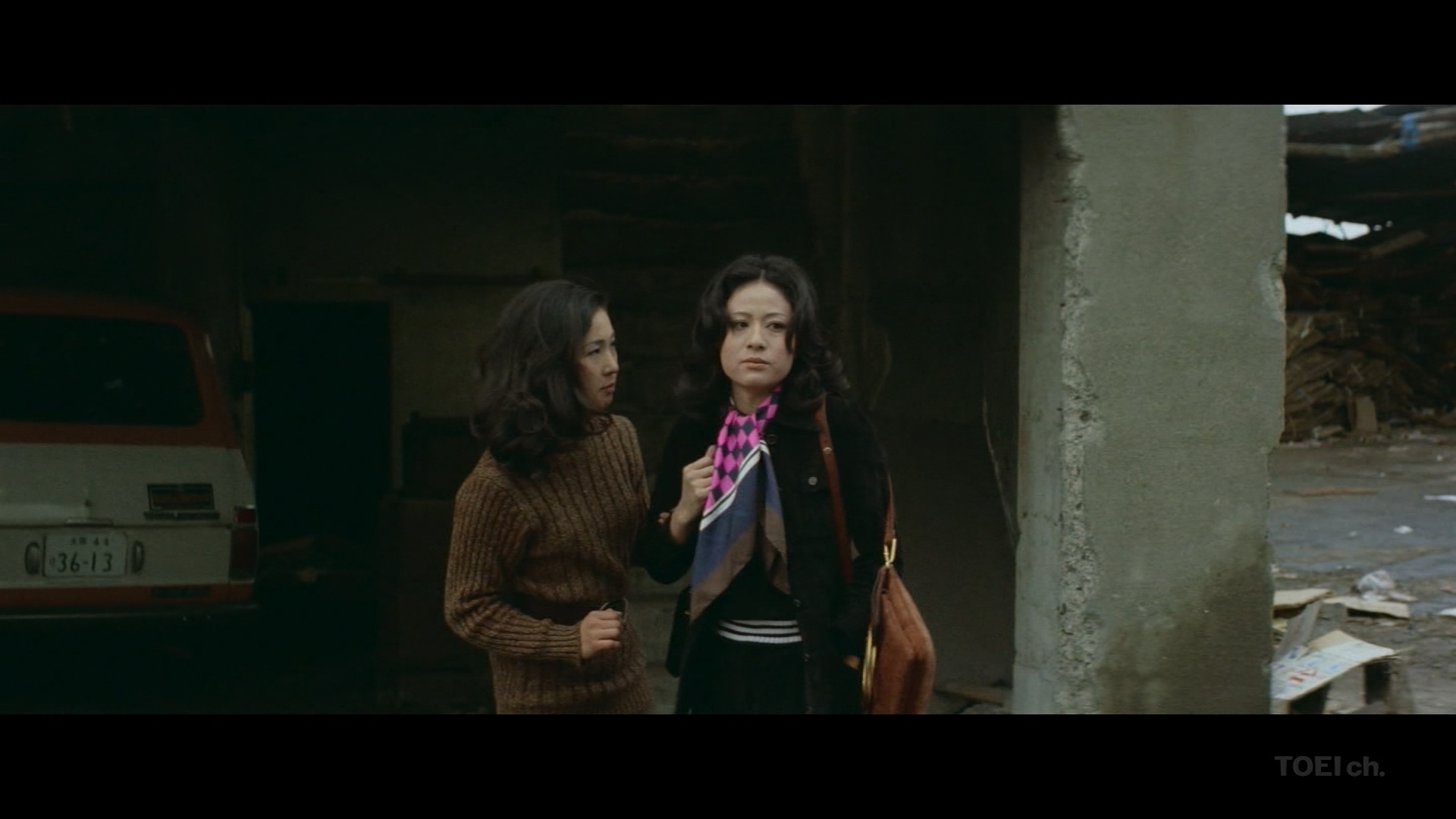
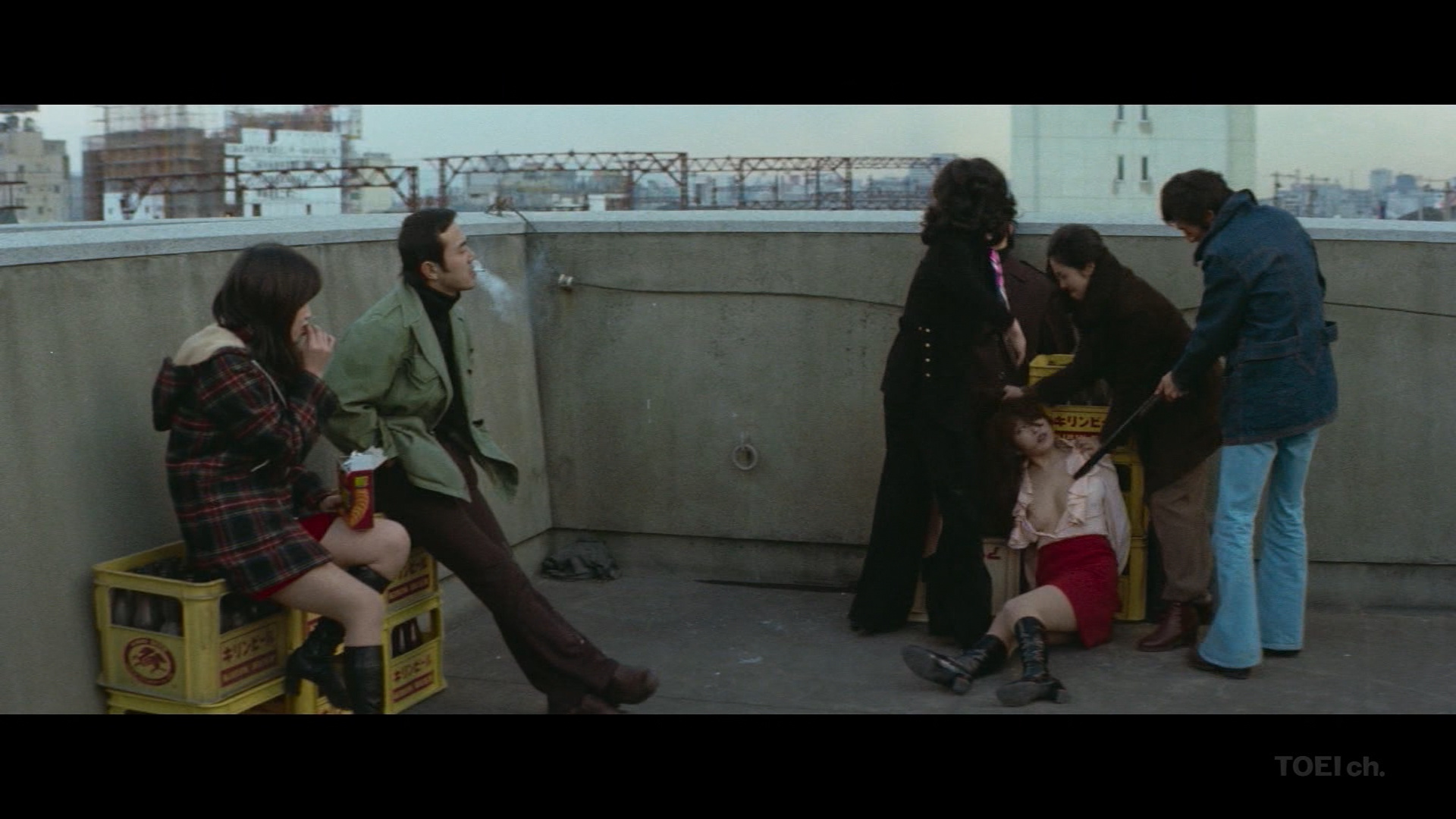
Among her new employees is a small time gangster (Gajiro Sato), who brings in a new recruit: a young woman (Mimi Araki) with a memory loss found lying half-dead on a street. This leads to a hippie sub plot with the gangster, the girl and a broke hippie conman (Soichiro Maeno) starting to live together and trying to solve the mystery of her past. Another new recruit is a female police officer (Natsuko Okada), who says she’s done with law enforcement and wants to become a Turkish Bath girl – though in reality she’s on a personal revenge mission after our heroine had driven her father to bankruptcy and suicide. Meanwhile Hanako befriends a yakuza boss to finance her business expansions. It leads to a bizarre demolition derby car chase / death match climax, somewhat annoying filmed through distorted lenses. It’s not every day you see a youth pink film where they crash cars into a gas station and the whole gas station blows up sky high! Oddly enough they all seem to be on drugs, despite nothing in the film explaining this – perhaps that’s the missing footage effect.
By the time the film ends, all you can think is how the hell did this get from that breezy coming of age opening to this mad gangster ending? It goes from funny to melancholic, socio-political to lowbrow, all in brisk 83 minutes. It’s a genuinely heartfelt youth film, and at the same time a prelude to Zero Woman: Red Handcuffs (1974). It’s even manages to be an interesting documentation of bathhouse business practices (as pointed out by a Japanese fan, the sets are above the film’s budget class, perhaps built with an intention to use them in other films as well). It’s also an uneven and obviously problematic (though not uncommon for 70s) product of its own time, which will likely keep it out of wider circulation for good.
Laputa Asagaya screened the film from a very good 35mm print, which I believe was produced by Cinema Vera
back in 2008 for another retrospective, and screened
again in 2013 to a rapturous reception. The film likely hasn’t been seen since then, which is perhaps why Laputa’s programming director Yukari Ishii was sitting behind me in their 1st day screening. She’s actually a very common sight sitting in the back row – I also spotted her there enjoying Gambling Den: Drifter last month. The screening wasn’t full, but fairly packed with curious cinephiles from young women to old men and everything in between.
Below are some Japanese Twitter reactions to the film, via clumsy auto translate, mostly from 2013.


And while I can’t track down a single song from the film, below are two other songs by Taiji Nakamura that have a similar sound:
https://youtu.be/rlpu0JVa3Yg?si=lr0kp3AVIl2xkjrd&t=532
https://youtu.be/rlpu0JVa3Yg?si=PIurarZ6W9U0psSX&t=2190
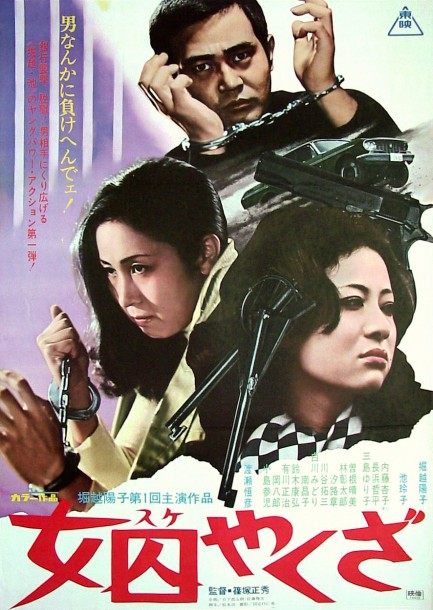
You'll forgive me for not posting the poster, though it was on display in Laputa's lobby.